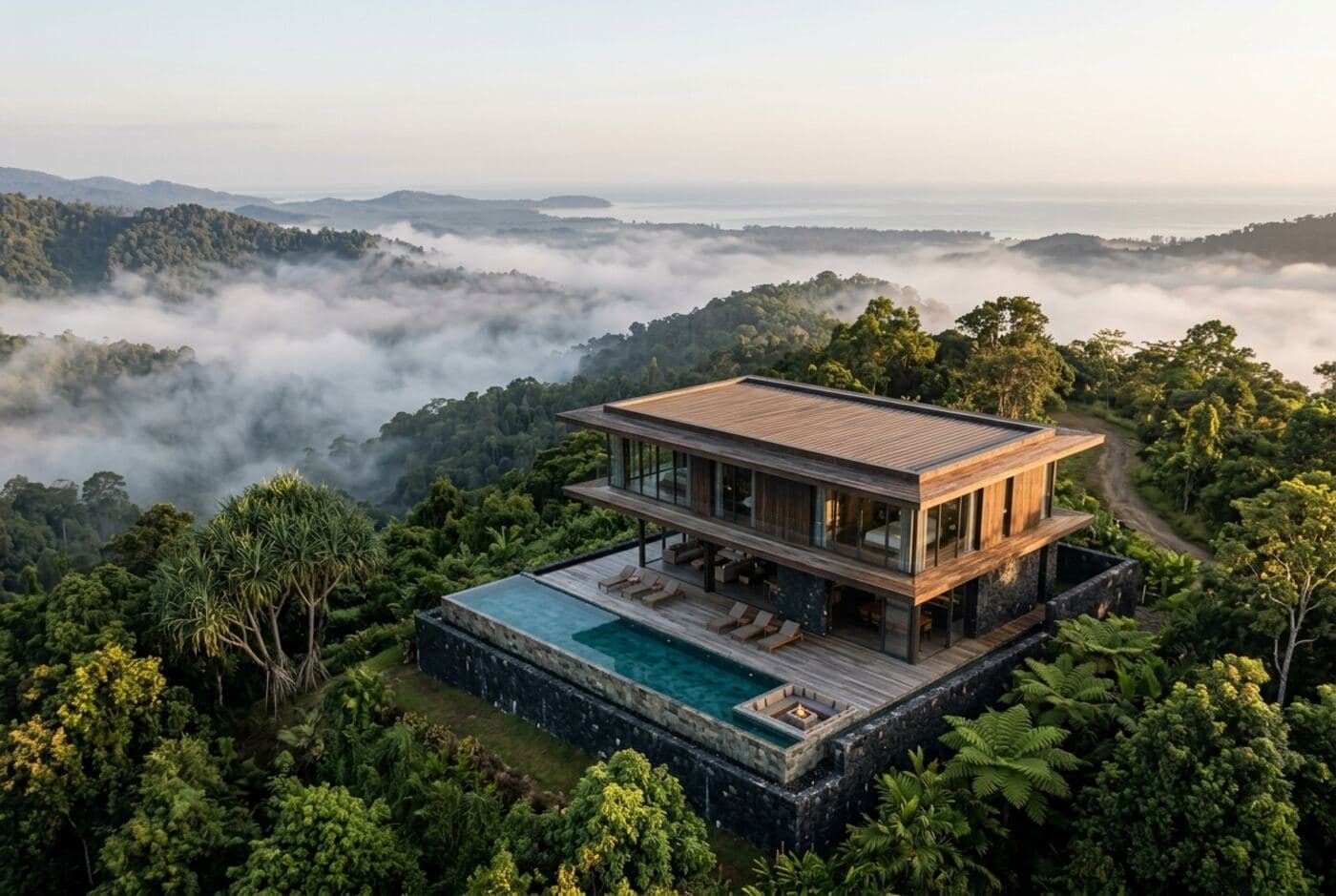
Risk
What you are actually taking on
The risks in an offshore villa are real and they are not the ones buyers usually worry about. Most of them come from the structure of the purchase rather than the country it sits in — and buying into a large development quietly stacks five of them on top of each other.
- 1
You are funding a project, not buying a house
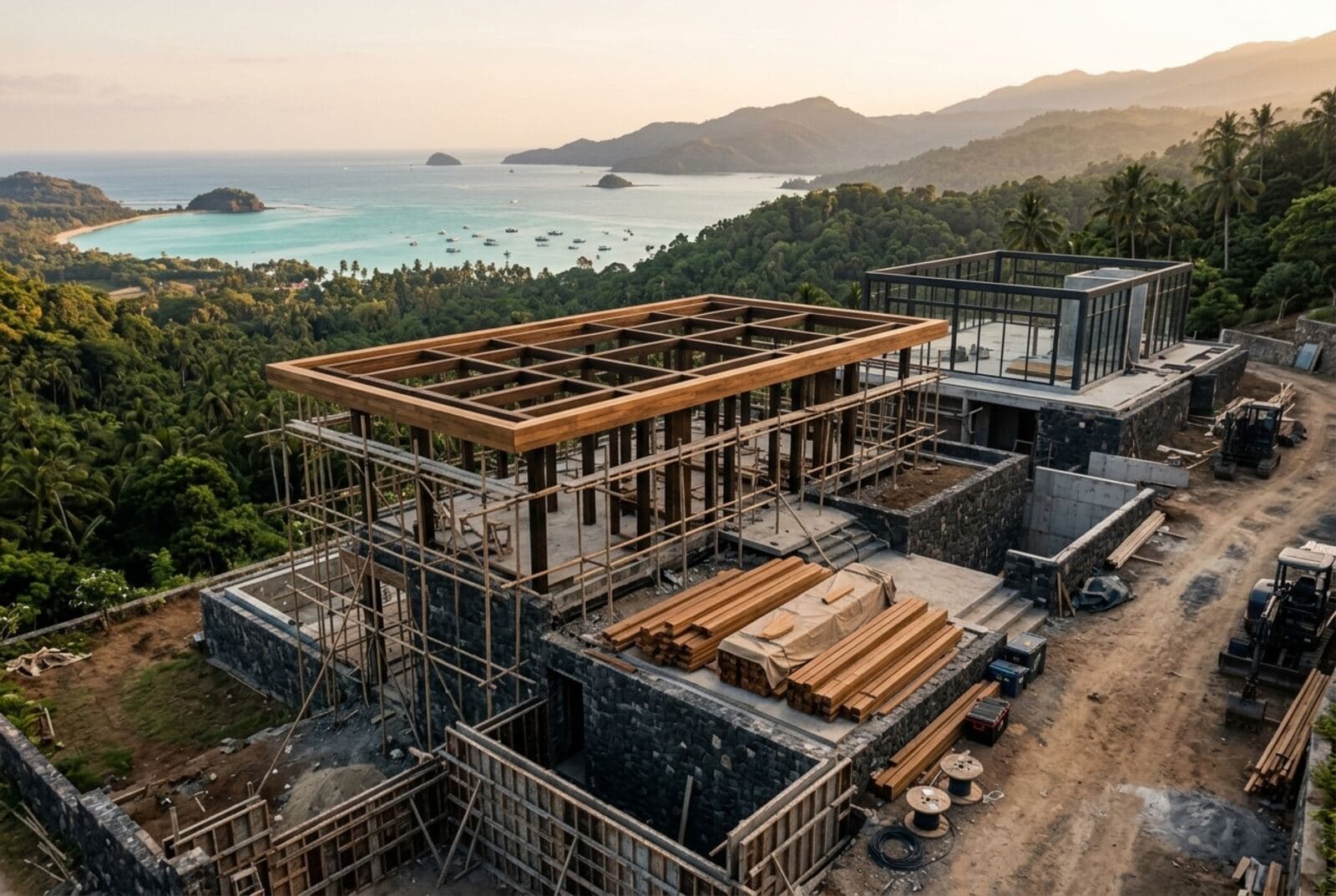
One build, on one site. In a twenty-villa resort your money goes in against a masterplan that still needs roads, drainage, a substation, water treatment and a clubhouse before anyone moves in. All of it depends on the developer staying solvent long enough to finish. If the funding stalls, your villa sits inside a building site and there is nothing you can do about it. A freestanding house is one build on one site. If something goes wrong, what stops is your house alone — and you can appoint anyone you like to finish it.
- 2
You pay for everyone else's infrastructure
That shared infrastructure is enormously expensive and it is loaded into every purchase price in the development. You are buying a share of the entry road, the estate drainage, the shared pools, the gym and the sales pavilion whether you ever use them or not — and then paying again, every year, to maintain them. A freestanding house carries its own costs and nobody else's.
- 3
Selling means competing with your neighbours
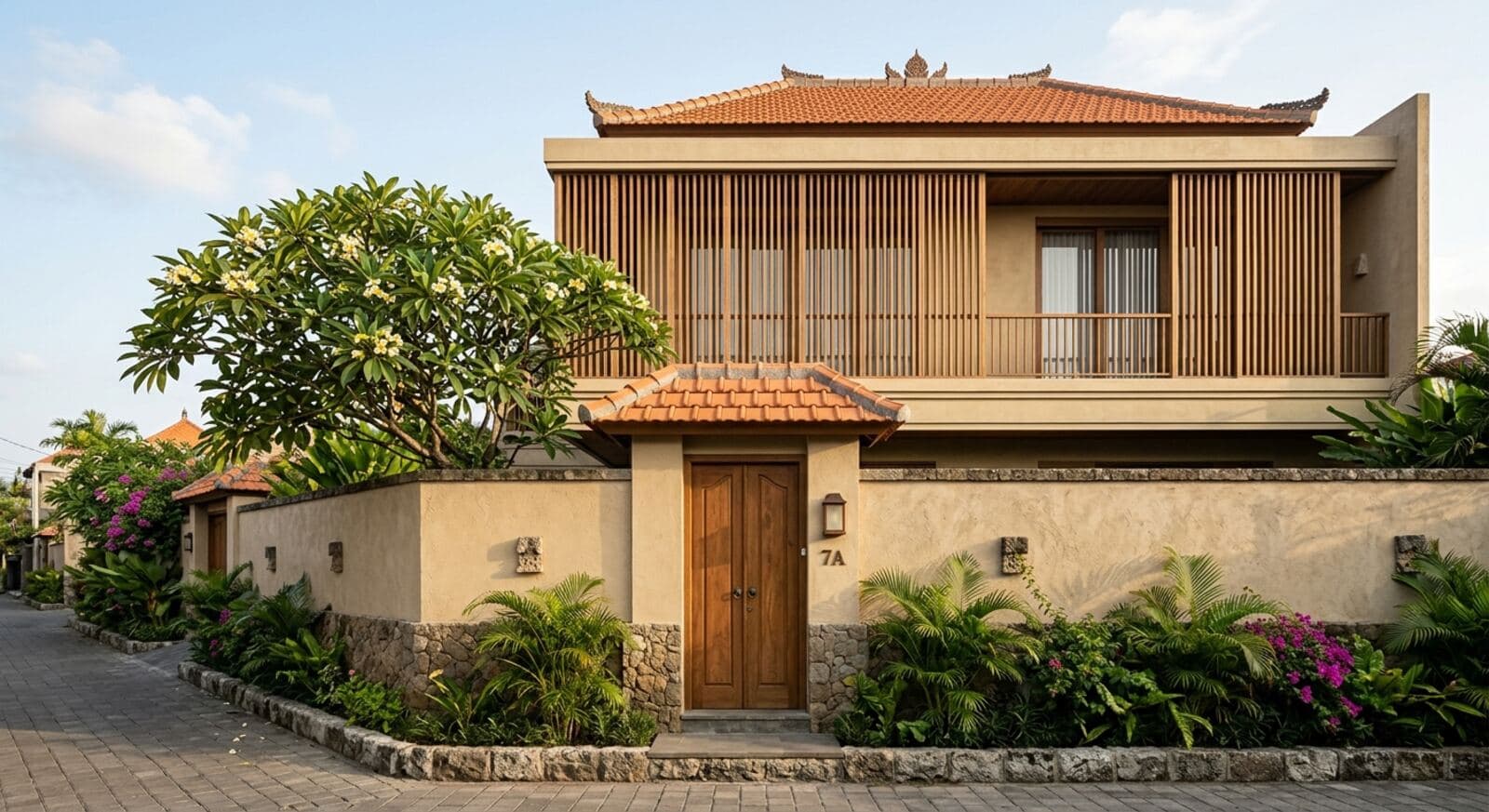
Your own title, your own gate. When you exit a complex you are up against every other owner in it, plus the developer's unsold stock, which is usually priced to clear. Forty near-identical assets and one buyer sets the price. A house on its own title has no comparable next door.
- 4
Someone else writes the rules after you buy
Estate by-laws, the mandatory management agreement, the letting pool, what you may change and when you may visit — decided by a body you do not control, and amendable after your money is in. On your own land you decide.
- 5
You end up in the wrong rental market
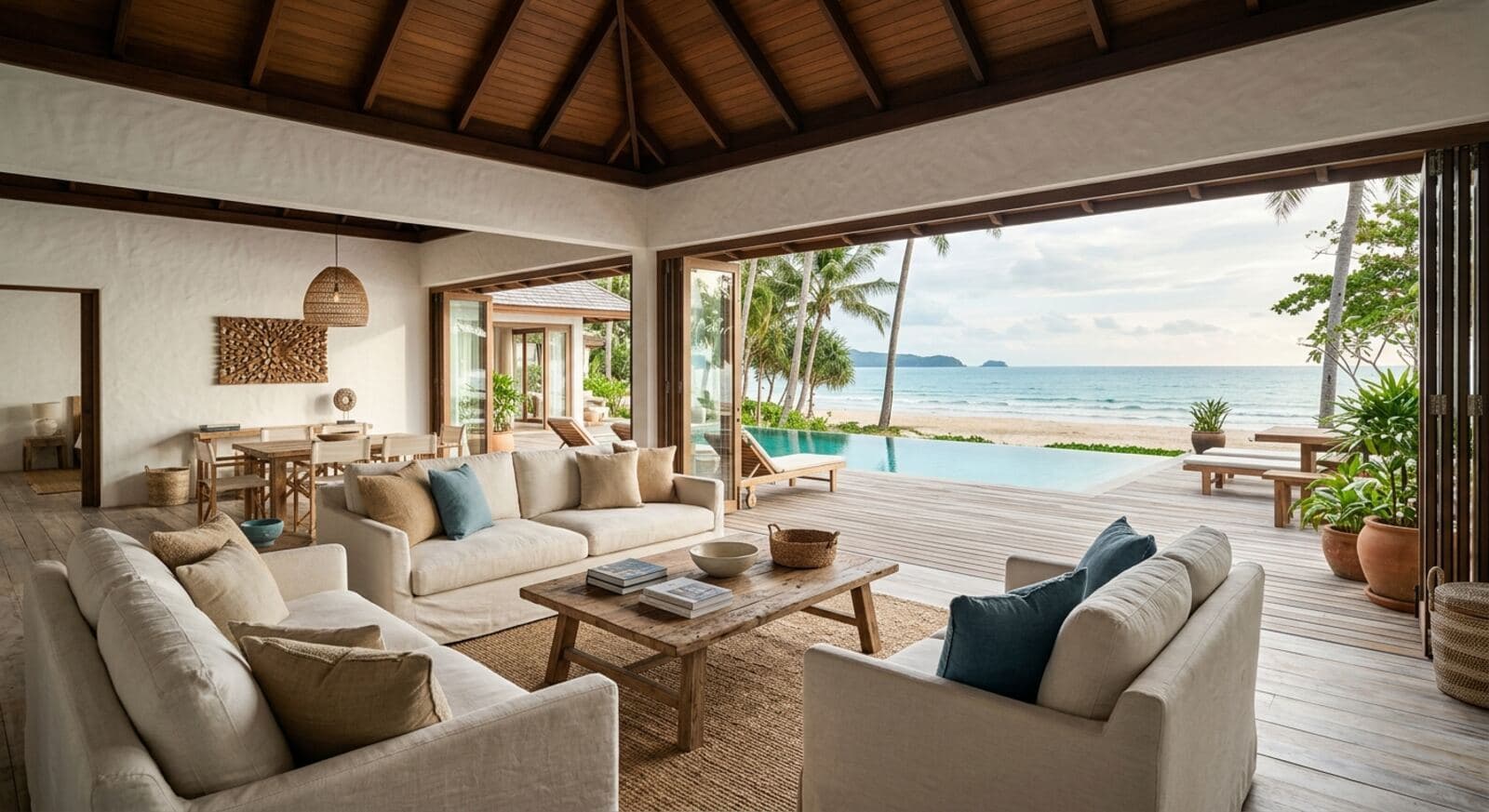
The guest who books a whole house. This is the one most buyers never consider. Resorts are built for a four or five night guest who arrives through a booking engine. Private freestanding villas serve a different traveller entirely — the family or group who want a whole house to themselves, book it direct, and stay ten, twenty, sometimes thirty nights. Long stays mean fewer changeovers, lower operating cost per night, and a calendar that fills in blocks rather than gaps. A villa presented as one of forty units rarely reaches that guest at all.
And what a freestanding house does not protect you from
It carries its own maintenance rather than a share of someone else's, which is cheaper but entirely yours. Without an estate gate, site security is a design decision rather than an assumption. Where there is no estate infrastructure, access, water and power are your connections to make and keep. And no ownership model is insulated from currency movement, regulatory change or a soft year in tourism.
We design around each of these rather than pretending they are not there, and we will walk you through every one of them before you commit. Any seller who tells you an offshore property has no downside is describing a sales target, not an asset.
Short-term letting is licensed, not assumed. The position in each market is set out on its page, confirmed by local counsel. See the places.
Walk through every one of these with us.
Before you commit to anything, we go through each of these risks as it applies to your site, your house and your market. Tell us where to start.